October 8, 2026
Choosing the right bulkhead door is an important part of maintaining a safe, accessible, and well-protected home. These doors provide access to basement areas while helping limit the effects of outdoor weather, moisture, and everyday wear. However, not every home has the same needs, and factors such as material, size, drainage, and durability can affect which option is most suitable. This article explains what to consider when choosing a bulkhead door, how different features affect long-term performance, and why proper installation and regular maintenance matter.
Understanding Different Door Materials
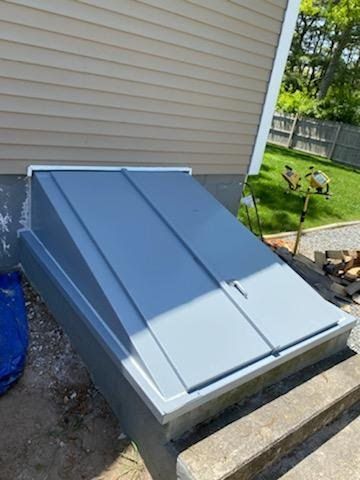
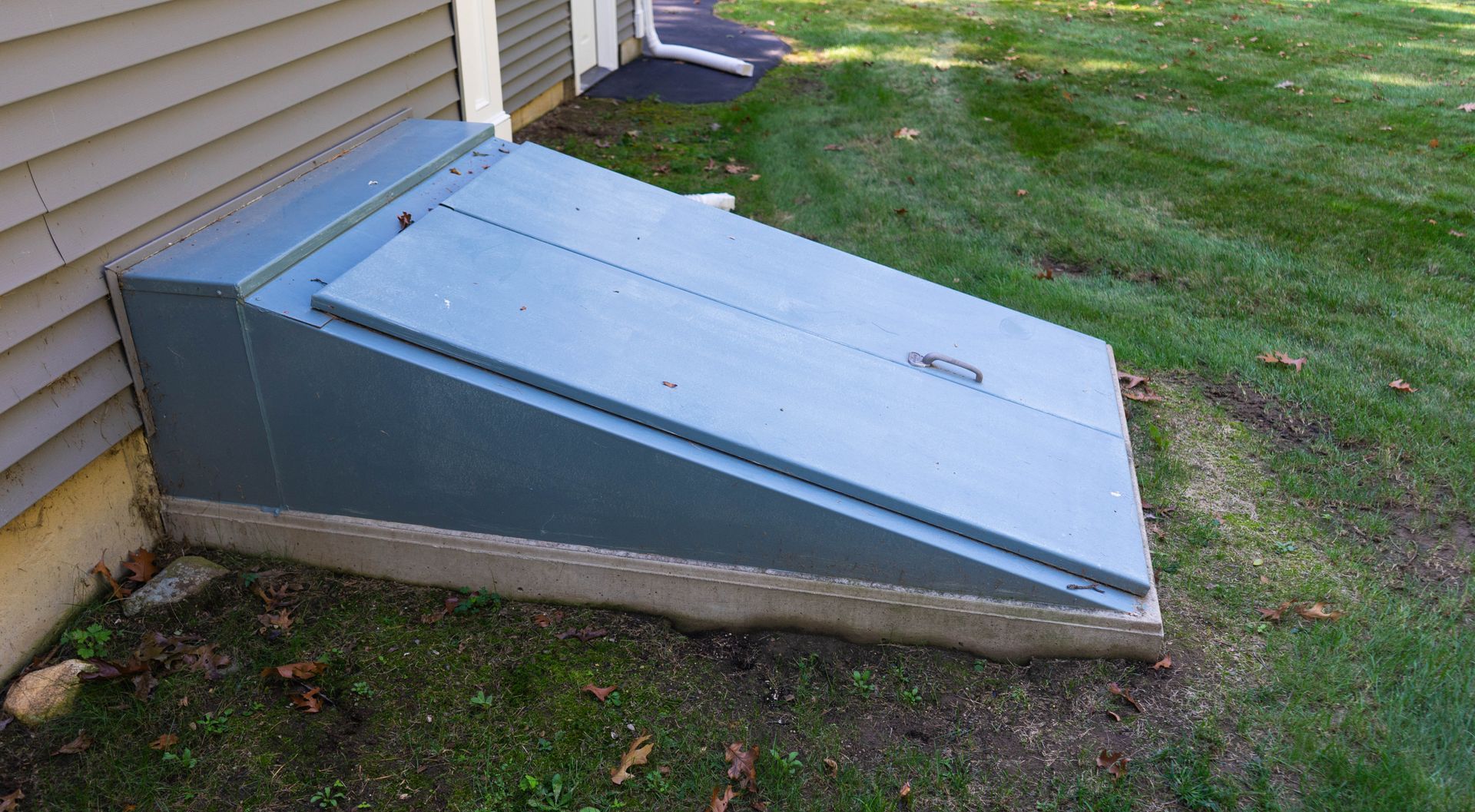
The material used for a bulkhead door affects its strength, appearance, maintenance needs, and lifespan. Since these doors face changing weather conditions, the best choice depends on the local climate, frequency of use, and level of protection needed. Steel is a common option because it is strong and holds up well with proper care. However, damaged coatings and prolonged moisture exposure can lead to rust, making regular inspections important.
According to Dimensions, steel bulkhead doors can last over 25 years if they are properly maintained. This highlights the value of choosing a durable material and keeping it in good condition. Other materials may offer different benefits, such as lower maintenance needs or greater weather resistance. Comparing these factors can help narrow down the options, while seeking professional help can clarify which material best suits the property.
Evaluating Size and Fit
The size of a bulkhead door is another important factor to consider. The door must fit the existing opening properly to provide convenient access and help limit gaps that allow water, air, and debris to enter. A door that does not fit the opening correctly may create ongoing problems, even when the material itself is durable. The dimensions of the entrance can vary based on the home's age, design, and basement layout. Older properties may have openings that differ from more common sizes, while newer homes may follow more consistent building plans. Measuring the opening accurately is important when determining which door will fit and operate as intended.
The surrounding structure also matters. Uneven surfaces, worn concrete, and changes in the opening can affect how a door sits in place. These conditions may need attention before a replacement can be installed. Selecting a door without considering the condition of the opening can lead to alignment problems or gaps around the edges. Access needs should also guide the selection process. Some basement entrances may be used frequently, while others provide access only when needed. The door should allow convenient movement through the opening without creating unnecessary difficulty. Seeking professional help with measurements and fit can reduce the likelihood of problems and help determine whether the existing structure needs attention.
Considering Weather and Moisture Protection
Outdoor exposure can affect bulkhead door performance over time. Rain, snow, humidity, and temperature changes can wear down materials and affect the surrounding structure. A suitable door should help protect the entrance from these conditions while remaining accessible. Water management is especially important because rainwater can collect near the opening, particularly when drainage is limited or the ground slopes toward the house. Repeated exposure may allow water to enter gaps or contribute to basement moisture problems.
Drainage patterns, nearby surfaces, and the condition of the entrance all influence how water moves around the structure. A well-fitted door can help limit water entry, but it cannot correct every drainage issue. Seals and protective finishes may also wear down over time, making regular inspections important. Homes exposed to frequent rain, heavy snow, or high humidity may need added attention to weather protection. Understanding local conditions can help determine suitable materials and protective features. Seeking professional help is a practical option when water repeatedly collects near the entrance or moisture appears along basement walls.
Comparing Safety and Accessibility
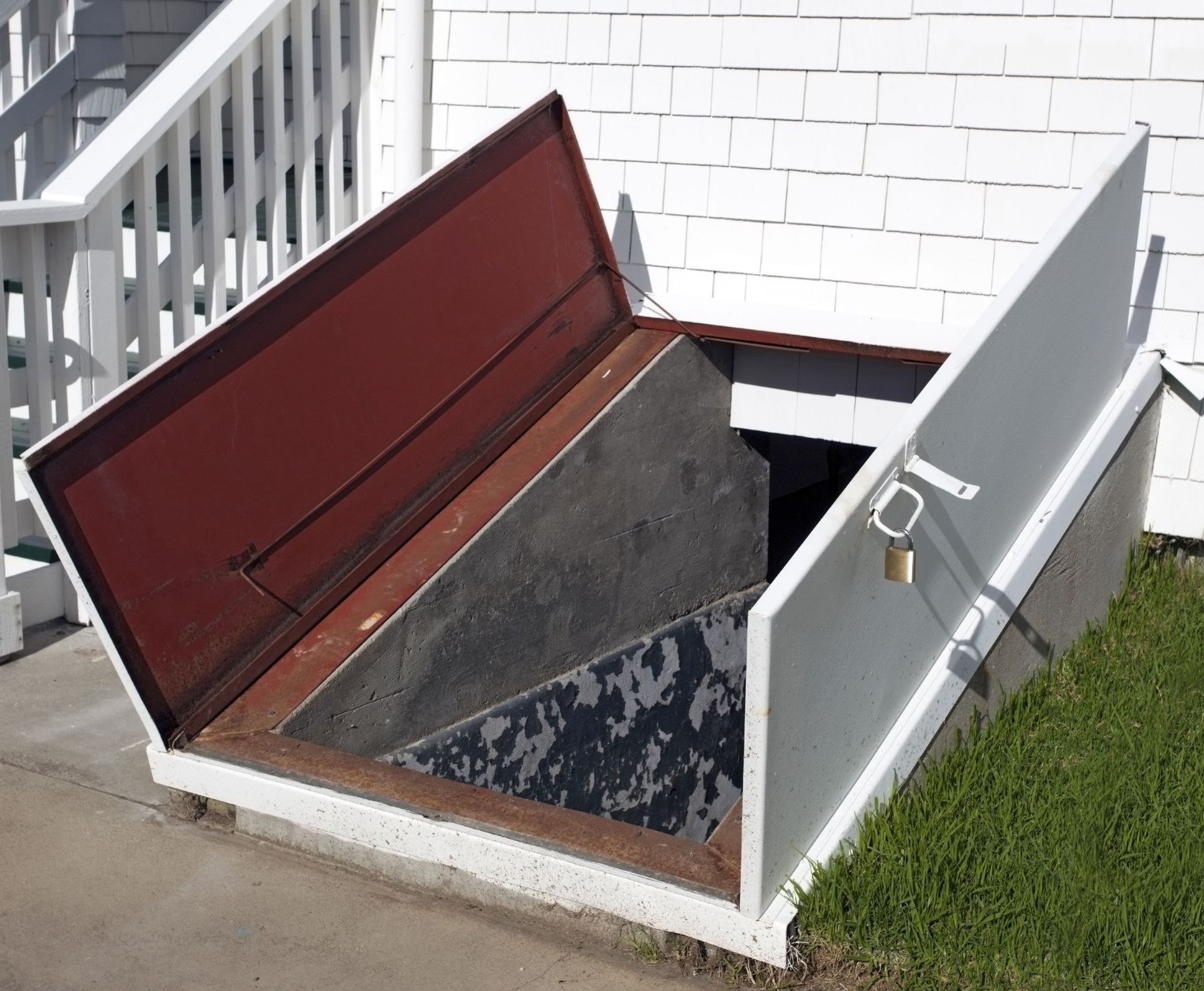
A bulkhead door should provide convenient basement access while remaining secure when closed. Its design, opening mechanism, and condition affect how easily it can be used, especially when the entrance sees frequent use. The door should open and close smoothly without excessive force. Sticking, shifting, or difficulty securing it may indicate worn hardware, alignment problems, or changes in the surrounding structure. Addressing these issues can help maintain access and prevent further damage.
Security is another important factor. A properly fitted door with functioning hardware can help limit unauthorized access. The material, locking components, and fit all affect its overall performance. Safe access also depends on the condition of nearby steps, landings, and surfaces, as damaged or uneven areas can make entering and leaving the basement more difficult. If the door becomes difficult to operate or no longer closes securely, seeking professional help can identify the cause and address the problem before it worsens.
Assessing Durability and Maintenance Needs
Long-term durability is important when choosing a door that provides value over time. Materials, construction quality, weather exposure, and installation all affect performance and the need for future repairs. A durable door should handle regular use and outdoor conditions, but all materials can wear down with age. Steel may corrode when its protective finish is damaged, while other materials may fade, crack, or weaken. The right choice depends on the conditions the door will face.
Maintenance needs should also factor into the decision. Some doors may require surface treatments, while others need periodic checks of seals, hinges, and moving parts. Regular inspections can reveal peeling paint, rust, loose hardware, damaged seals, or difficulty opening the door. Addressing these issues early may help extend its useful life. The age and condition of the existing door also matter. Widespread corrosion, recurring operating problems, or significant damage may indicate that replacement is worth considering. Seeking professional help can provide a clearer assessment of whether repairs or replacement are the more practical option.
Planning for Installation and Replacement
Proper installation plays a major role in how well a bulkhead door performs. Even a durable door can develop problems if it is poorly aligned, does not fit the opening, or lacks proper water protection. Before selecting a replacement, the existing opening should be checked for cracked concrete, uneven surfaces, and damaged attachment points that could affect the fit.
The entrance layout also influences which door is most practical. Available space, nearby slopes, and the basement design can affect the options. Cost is another factor, as material, dimensions, and preparation needs can change the total expense. Comparing initial costs with expected maintenance can provide a clearer picture of long-term value. Professional installation can help address fit, alignment, and weather protection concerns. If the entrance has ongoing moisture issues or structural damage, seeking professional help can identify problems that need attention before replacement.
Maintaining Long-Term Performance
After installation, regular maintenance can help keep the door in good condition. Outdoor exposure and repeated use gradually affect surfaces, seals, and hardware, so occasional checks are important. A consistent maintenance routine can also make it easier to identify developing problems before they affect the surrounding structure. Inspections should focus on visible corrosion, damaged coatings, loose hardware, worn seals, and changes in how the door opens or closes. The surrounding concrete and nearby drainage conditions should also be checked for signs of deterioration or water accumulation. These details can reveal whether the door is continuing to provide the intended level of protection.
Seasonal changes provide useful opportunities to review the condition of the entrance. Heavy rain, freezing temperatures, and snow can place added stress on exterior materials. Checking for damage after periods of severe weather may help identify issues that require attention. Maintenance needs can vary depending on the door material and local conditions. Following appropriate care recommendations can help protect the surface and maintain normal operation. When damage is difficult to assess or problems continue despite routine care, seeking professional help can identify the underlying cause and clarify the available options.
Choosing the right bulkhead door involves considering more than material and appearance. The opening size, weather exposure, drainage, security, and maintenance needs all affect the decision. The condition of the existing entrance and the quality of installation also influence long-term performance. Evaluating these factors can help property owners select a suitable option for reliable basement access. For guidance on choosing a bulkhead door for your home, contact Bulkhead Doors Inc to discuss your needs and available options.